Introduction
Most quarters in everyday circulation are worth 25 cents. But a small number of quarters — due to minting errors, unusual varieties, or pristine condition — can be worth far more. This guide walks you through the most important things to know when you suspect you’ve found a valuable quarter: what to look for, how to inspect it without reducing its value, how grading works, and safe ways to sell or consign a rare coin.
Quick overview: What makes a quarter valuable?
There are three main drivers of value for collectible quarters:
- Rarity: How many examples exist in the market or in collections.
- Error or variety: Coins struck with unusual features (double die, off-center, repunched mint marks, etc.).
- Condition (grading): High-grade coins with original surfaces and minimal wear command premiums.
Brief history: The Washington quarter (and why the 1970s matter)
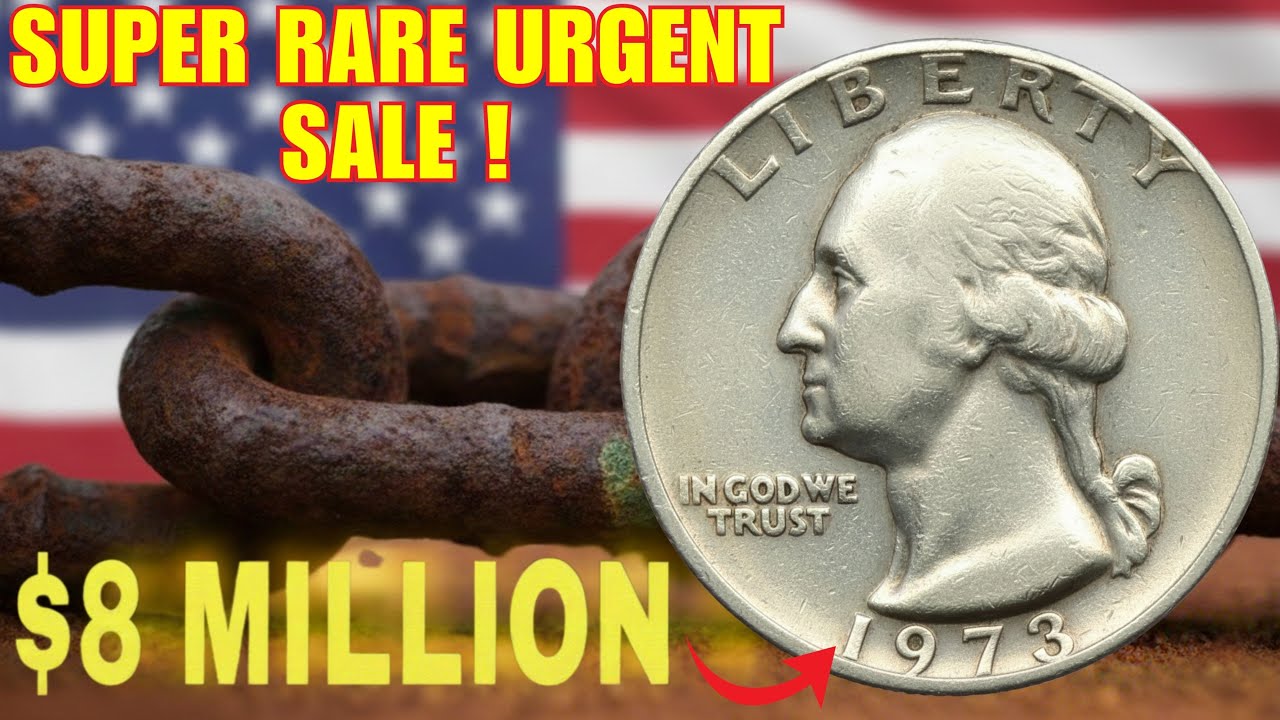
The Washington quarter design was introduced in 1932 and has seen many changes over the decades. The 1960s–1970s were a transitional time for minting technology and metal composition, which occasionally produced interesting varieties and errors. While most coins from this era are common, a few specific varieties or exceptional-condition pieces attract strong collector interest.
Common valuable error types and varieties
Understanding the types of errors and varieties helps you identify coins worth investigating further:
- Double Die (Obverse or Reverse): Designs that show doubled elements (letters, numbers, or design lines) due to a misalignment in the hubbing process.
- Repunched Mint Mark (RPM): The mint mark was punched more than once in slightly different positions, leaving traces of earlier punches.
- Off-Center Strike: The coin was not properly centered when struck; large off-center strikes can be highly collectible.
- Clipped Planchet: Part of the blank was missing when struck, leading to a clipped edge.
- Die Breaks & Cuds: Breaks in the die can leave raised, blob-like areas on the coin surface (collectors sometimes call larger die breaks “cuds”).
- Wrong Planchet/Compositional Errors: Very rare — a coin struck on the wrong metal can be extremely valuable.
Tip: Not every mark or doubling is a real error — some are die deterioration or post-mint damage. Learn the difference before assuming rarity.
Condition matters: Basic grading concepts
Grading describes the coin’s condition and ranges from heavily worn (low grades) to perfect (mint state). Major grading agencies include PCGS and NGC; they provide an independent, professional grade which most high-value buyers expect. Key points:
- Circ. vs. Mint State: Circulated coins show wear from use. Mint state (MS) coins show no wear from circulation and are graded on preservation and quality.
- Surface quality: Scratches, hairlines from cleaning, and contact marks reduce grade and value.
- Eye appeal: Luster, strike quality, and color affect desirability within the same numeric grade.
If you suspect you have a rare coin, do not clean it — cleaning is one of the fastest ways to destroy value.
Step-by-step: How to inspect a suspect coin safely
- Wash your hands first (or wear gloves) to avoid leaving oils on the coin.
- Use a 10x loupe or magnifier under good, diffuse light. Look for doubling, mint mark irregularities, or off-center strikes.
- Examine the rim and edge — planchet clips or unusual edges are important clues.
- Compare with reference images from trusted numismatic guides or reference books rather than random internet photos.
- Document the coin — take multiple high-quality photos (obverse, reverse, close-ups of errors) before moving it further.
- Ask for opinions from experienced collectors, local coin clubs, or reputable dealers rather than relying on a single online comment thread.
Photographing a coin: simple tips
Clear pictures increase the chances of getting useful feedback and better sale listings.
- Use a plain, neutral background (gray or black works well).
- Diffuse the light — avoid harsh direct light that causes glare. Indirect daylight or a lightbox is ideal.
- Use macro mode on your camera or phone and stabilize the camera with a tripod or steady surface.
- Take photos of obverse, reverse, and close-ups of any anomalies or dates/mint marks.
When to get a coin professionally graded
Consider grading when:
- You suspect a rare variety or major mint error.
- The coin appears to be high-grade (uncirculated/Mint State).
- You plan to sell at auction or to serious collectors who require certification.
Be aware: grading costs money and takes time. For common low-value coins, submission costs can exceed the coin’s value, so weigh the expected benefit first.
Where to sell or consign a high-value coin
Different selling channels work best for different needs:
- Specialist coin auctions: Best for rare or high-value coins. Auction houses attract serious collectors and can achieve high sale prices (but they charge consignor fees).
- Reputable dealers: Faster and simpler; dealers will make offers based on current market demand.
- Online marketplaces for graded coins: Great for graded coins (PCGS/NGC) because buyers can verify certification.
- Consignment with numismatic firms: Useful if you prefer a managed sale process with professional marketing and cataloging.
Always confirm the buyer’s reputation and prefer secure payment methods and insured shipping when shipping coins remotely.
Pricing & market expectations
Price depends on rarity, condition, provenance, and current collector demand. While a few headline-grabbing sales exist for exceptional coins, most valuable coins sell based on market comparables — recent auction results for the same variety and grade. If you need a price estimate, gather photos and any provenance and consult multiple sources: auction records, dealers, and collector forums (with caution).
Provenance and documentation
Provenance — a history of previous ownership or prior auction records — can increase a coin’s desirability. Keep any receipts, grading reports, or correspondence, and include this documentation when selling or consigning.
Legal & tax considerations
Be aware that high-value coin sales may have tax implications depending on your country and situation. Keep records of purchase prices, sale receipts, and any fees associated with grading or auction consignments. Consult a tax professional for specific advice.
Safety & anti-fraud tips
- Get second opinions before accepting a large offer.
- Prefer in-person transactions with trusted professionals when possible.
- Use insured shipping and track the package for remote sales.
- Be cautious of unsolicited “buyers” offering well-above-market prices — verify their credentials.
Frequently Asked Questions (FAQ)
Q: How rare are truly valuable quarters?
A: Extremely rare — most quarters are common. Only a small fraction of coins have true mint-state condition or genuine minting errors that attract strong collector demand.
Q: Can cleaning a coin ever help?
A: No — cleaning usually reduces value, even if done professionally. Original surfaces are almost always preferred.
Q: How much does grading cost?
A: Fees vary by service level, declared value, and turnaround time. For routine submissions the cost can be modest, but for high value items people typically select secure shipping and insured services which adds cost. Check PCGS/NGC pricing pages or ask a dealer for current details.
Q: Where can I learn more about specific errors?
A: Reliable numismatic books, official grading company guides, and well-moderated collector forums are good places to start. Local coin clubs also provide hands-on help and trustworthy advice.
Practical next steps if you found a suspect quarter
- Take clear, well-lit photos of the coin (obverse, reverse, close-ups).
- Compare with reputable reference images for varieties/errors.
- Ask for a second opinion from a local coin dealer or experienced collector.
- If promising and in good condition, consider professional grading.
- If selling, gather provenance and choose the right channel (auction, dealer, or marketplace).